
Fruit Tree Pruning in Wiltshire
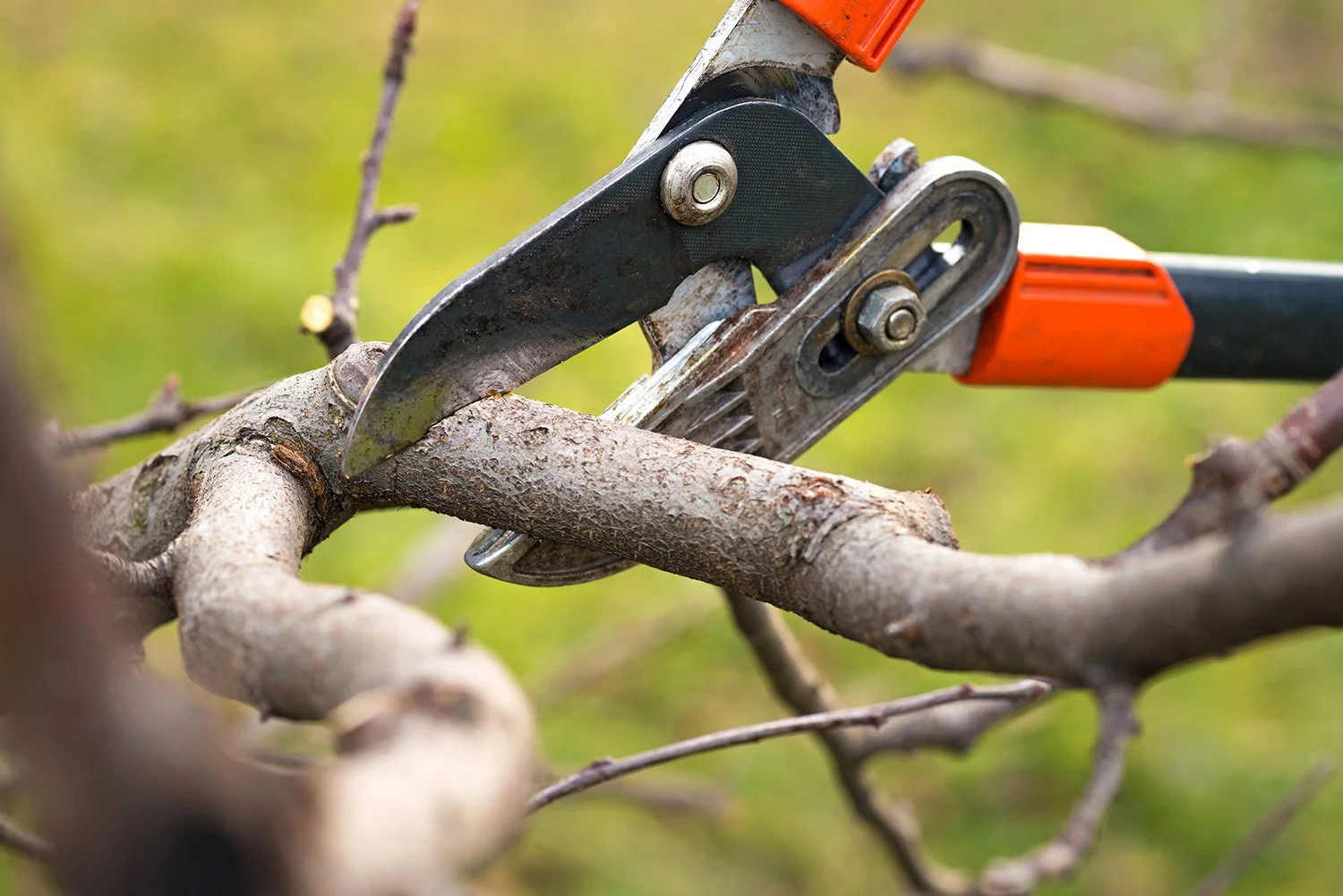
Fruit trees require regular and careful pruning to remain productive, healthy and well structured. Without proper management they can become overcrowded and congested, reducing fruit yield, making harvesting difficult and increasing the risk of disease. Johnsons Arborist provides professional fruit tree pruning services to domestic and commercial clients across Melksham, Chippenham, Devizes, Calne, Trowbridge, Bath and the wider Wiltshire area.
Wiltshire has a rich orchard heritage and we take great pride in helping homeowners and landowners keep their fruit trees in the best possible condition.
Why is fruit tree pruning important?
Regular pruning delivers a range of benefits for fruit trees:
Improved fruit yield - pruning encourages the development of fruiting spurs and removes unproductive old wood, resulting in a better crop
Better fruit quality - opening up the canopy to light and air circulation produces larger, better quality fruit and reduces the incidence of fungal disease
Structural integrity - removing crossing, rubbing or weakly attached branches reduces the risk of splitting and damage under the weight of a heavy crop
Disease management - removing diseased, damaged or dead wood reduces the spread of conditions such as canker, silver leaf and brown rot
Manageable size - keeping trees to a reasonable size makes harvesting easier and ensures the tree fits its space
What does fruit tree pruning involve?
A thorough fruit tree pruning operation typically includes:
Removal of dead, diseased and damaged wood
Removal of crossing and rubbing branches
Thinning of congested growth to improve light and air circulation
Removal of water shoots and suckers
Reduction of overly vigorous upright growth
Shaping to maintain an open, balanced canopy structure
Advice on any disease or pest issues identified during the work
Fruit tree species we work with
We work with all common fruit tree varieties found in Wiltshire gardens and orchards, including:
Apple - the most common fruit tree in Wiltshire gardens, available in a huge range of varieties from small cordons to large standard trees
Pear - similar pruning requirements to apple but generally more vigorous and requiring careful management to maintain a productive structure
Plum, damson and greengage - best pruned in summer rather than winter to reduce the risk of silver leaf disease
Cherry - sweet and acid cherries are best pruned in late spring or early summer when in active growth to minimise disease risk
Quince and medlar - less common but increasingly popular, requiring a light touch to maintain their natural form
Fig - requires specific pruning to encourage fruiting on young wood
When is the best time to prune fruit trees?
Timing is critical for fruit trees and varies by species:
Apples and pears are best pruned in winter during dormancy, typically between November and early March. Winter pruning encourages vigorous regrowth and is used to shape the structure of the tree and stimulate fruiting.
Plums, damsons, cherries and other stone fruit should be pruned in late spring or summer when the tree is in active growth. Pruning stone fruit in winter significantly increases the risk of silver leaf disease, a serious fungal infection that can kill the tree.
Summer pruning of trained forms such as espaliers, fans and cordons is also important for restricting growth and encouraging fruit bud development.
If you are unsure about the best timing for your trees, we are happy to advise when we visit.
Orchards - Orchard Management in Wiltshire
As well as individual garden fruit trees, we work with landowners and community groups on the management of traditional orchards across Wiltshire. Traditional orchards are a Priority Habitat under the UK Biodiversity Action Plan and support a rich variety of wildlife including rare insects, lichens and birds.
Whether you have a small productive orchard or a neglected historic orchard in need of restoration, we can help develop a management plan that balances productivity with conservation value.
AREAS WE COVER
Fruit Tree Pruning Across Wiltshire
We provide fruit tree pruning services across Wiltshire and the surrounding area, including:
Melksham and surrounding villages
Chippenham and Corsham
Calne and the surrounding area
Devizes and surrounding villages
Trowbridge and Bradford on Avon
Bath and surrounding area
Marlborough and the Vale of Pewsey
Warminster and Westbury
FAQ’S
Frequently Asked Questions
Can you prune an overgrown or neglected fruit tree?
Yes - we regularly work on fruit trees that have not been pruned for many years. Restoring a neglected tree is usually a gradual process carried out over two or three seasons to avoid putting the tree under excessive stress. We will assess the tree and advise on the best approach when we visit.
How much should be removed in a single pruning?
As a general rule no more than a third of the canopy should be removed in a single season. Removing more than this can cause significant stress and may result in an excessive amount of unproductive regrowth. For heavily neglected trees we will recommend a phased restoration programme.
Do you prune trained fruit trees such as espaliers and fans?
Yes - trained forms require specific pruning techniques and timing to maintain their shape and productivity. We have experience working with espaliers, fans, cordons and other trained forms.
Can fruit tree pruning spread disease?
There is a small risk of spreading certain diseases through pruning cuts, particularly silver leaf in stone fruit. We disinfect tools between trees and always advise on the best timing to minimise this risk.
What do you do with the prunings?
We can either remove all prunings from site or chip them on site for use as mulch. Just let us know your preference when booking.
Get a Free Quote for Fruit Tree Pruning Services in Wiltshire
Contact Johnsons Arborist today for a free, no obligation visit and quote. We cover Melksham, Chippenham, Devizes, Calne, Trowbridge, Bath and the surrounding areas of Wiltshire.